
Dental Trauma and Mouth Injury Care in Denver
A chipped, loose, displaced or knocked-out tooth needs the right response quickly. Star Dental evaluates dental injuries for adults and children at our Denver office near Lakewood, with weekend hours and Spanish-speaking staff available every day.
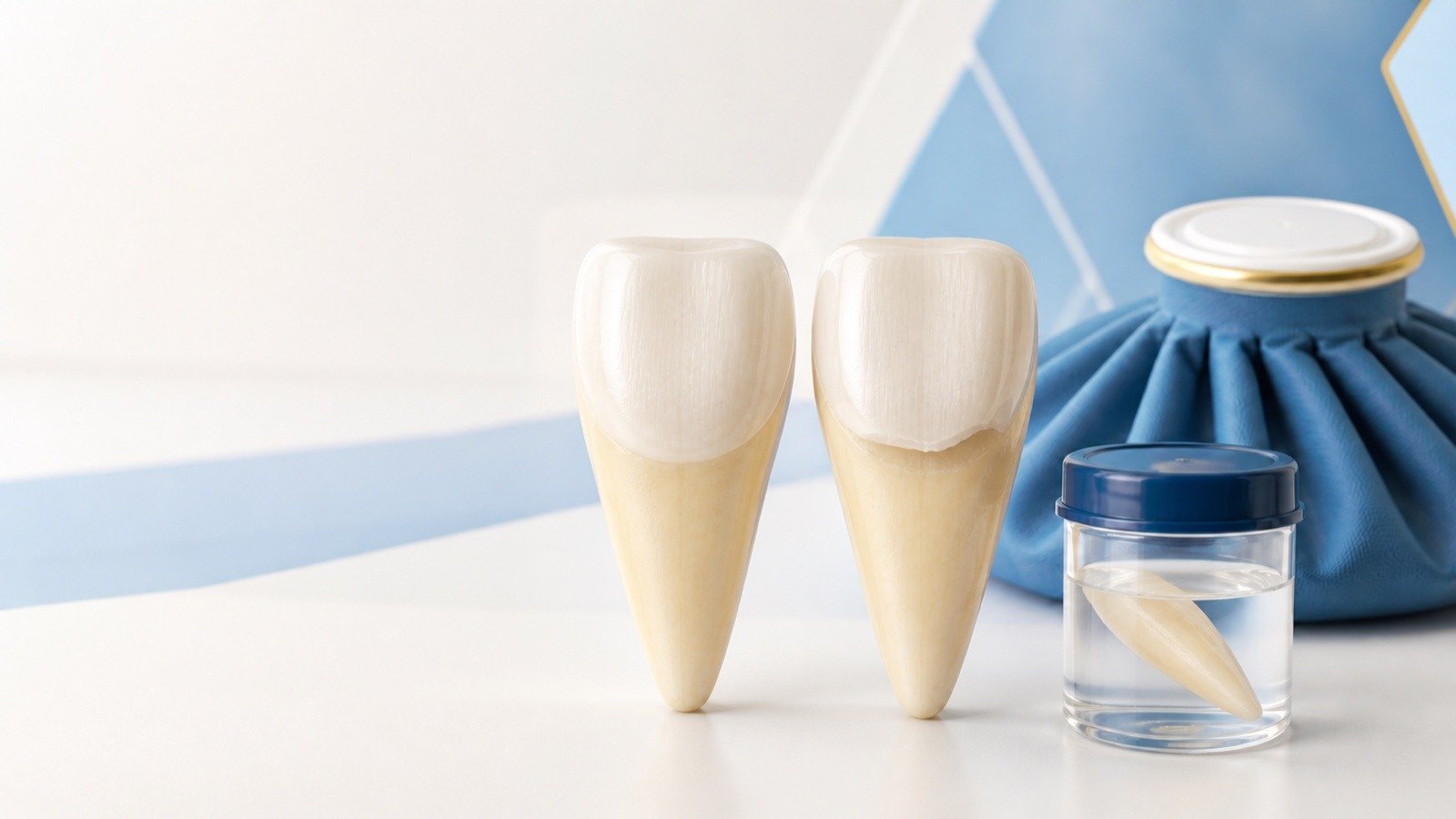
Act Quickly After a Dental Injury
Call the dental office as soon as you can and explain when the injury happened, whether the tooth moved, and whether there was a head or facial injury. A quick description helps the team plan the appropriate evaluation.
Check for a medical emergency
Call 911 for trouble breathing, uncontrolled bleeding, loss of consciousness, vomiting after a head injury, double vision, or a serious facial or jaw injury.
Rinse gently
Use clean water to rinse the mouth. Apply gentle pressure with clean gauze for localized bleeding and a cold pack outside the cheek for swelling.
Save the tooth or fragments
Bring any tooth fragments in a clean container. Handle a knocked-out permanent tooth only by the crown—the white chewing portion—not the root.
Call before traveling
Timing matters, especially for displaced or knocked-out permanent teeth. Call 303-222-1414 for current dental availability.
Keep it moist and seek care immediately
If the tooth is dirty, rinse it gently without scrubbing. When it can be done safely, place it back in the socket without touching the root. Otherwise, keep it in milk or an emergency tooth-preservation product and bring it with you. Do not store it dry.
Do not put a primary tooth back in the socket
Replanting a baby tooth can harm the developing permanent tooth. Call a dentist promptly so the child and the injury site can be examined.
Dental Trauma Can Affect More Than One Tooth
Even a small visible chip can be accompanied by injury to the tooth nerve, root, bone or neighboring teeth. An examination and clinically appropriate imaging help determine the extent of the injury.
Chipped or fractured tooth
A fracture may involve enamel alone or extend into deeper tooth structure. Save the fragment when possible, avoid biting on the tooth and arrange an evaluation.
Loose or displaced tooth
A tooth may be pushed inward, outward or sideways, or become mobile without obvious displacement. Do not force it into position; call for urgent assessment.
Knocked-out permanent tooth
A completely displaced adult tooth is time-sensitive. Correct handling, moist storage and prompt professional care offer the best chance of saving it.
Lip, gum or cheek injury
Soft-tissue injuries may contain tooth fragments or debris. Persistent bleeding, deep wounds or suspected jaw damage may require emergency medical or specialist care.
What the Dentist Checks After an Injury
The dentist will ask how and when the injury happened, review medical considerations, and examine the teeth, gums, bite and surrounding tissues. X-rays or other images may be recommended to look for root, bone or neighboring-tooth injuries that cannot be confirmed visually.
- Position, mobility and tenderness of the injured tooth
- Fractures involving enamel, dentin, pulp or the root
- Bite changes and possible supporting-bone injury
- Condition of nearby teeth and soft tissues
- Baseline findings for future healing checks
The Right Treatment Depends on the Injury
The first visit may focus on stabilizing the area, protecting the tooth and relieving discomfort. Definitive treatment and follow-up depend on the tooth, age, root development, fracture depth, displacement, time since injury and healing response.
Repair and protection
Minor chips may be smoothed or restored. Larger fractures may need bonding, a filling, crown protection or another restorative plan after the tooth is assessed.
Repositioning and stabilization
Some displaced or replanted teeth need careful repositioning and a flexible dental splint. The dentist determines whether splinting is appropriate and for how long.
Pulp and root care
Some injured teeth heal without root canal treatment; others develop nerve or root complications later. Repeat examinations and images help guide timely care.
Why follow-up matters
Pain can improve even when a tooth needs monitoring. Color change, continued mobility, swelling, a gum bump, pain with biting or new sensitivity should be reported. Scheduled follow-up allows the dentist to compare healing over time.
Children’s dental injuries
Baby teeth and developing permanent teeth require different decisions. Tell the office the child’s age and whether the injured tooth is primary or permanent if known. A parent or legal guardian should accompany the child when consent is required.
Planning for an Unexpected Dental Visit
An emergency examination and diagnostic images may be separate from treatment. The total depends on whether the tooth needs stabilization, restoration, root canal care, extraction, follow-up or specialist services.
Star Dental accepts Health First Colorado Medicaid and many PPO dental plans. Coverage, frequency limits, authorization requirements and patient responsibility are verified for the individual plan and service. Self-pay patients can ask for an estimate after the dentist identifies the appropriate care.
Dental Trauma FAQs
Is a chipped tooth a dental emergency?
A small chip without pain still deserves an examination, but the timing depends on symptoms and fracture depth. Call promptly for pain, bleeding from inside the tooth, sharp edges, bite changes, mobility or a larger missing piece.
What should I do with a knocked-out permanent tooth?
Handle it by the crown, not the root. Rinse it gently if dirty without scrubbing. When it can be done safely, place it back in the socket; otherwise keep it moist in milk or an emergency tooth-preservation product. Call a dentist immediately and bring the tooth.
Should I put a knocked-out baby tooth back in?
No. Do not replant a primary tooth because doing so can damage the developing permanent tooth. Call a dentist promptly so the child and injury site can be examined.
What if a tooth is loose or moved after an injury?
Do not force the tooth into position or test it repeatedly. Avoid biting on it and call for urgent evaluation. A dentist needs to assess the position, bite, root and supporting bone.
Can a tooth look fine but still be injured?
Yes. The root, nerve, bone or neighboring teeth can be affected without a large visible fracture. Examination, baseline testing and clinically appropriate imaging help identify and monitor these injuries.
Will an injured tooth need a root canal?
Not always. The need depends on the injury, tooth development and healing response. Some complications appear later, which is why the dentist may recommend follow-up examinations and images.
When should a mouth injury go to the emergency room?
Call 911 or go to an emergency department for trouble breathing, uncontrolled bleeding, loss of consciousness, vomiting or double vision after a head injury, severe facial swelling, or a suspected serious facial or jaw fracture.
Does Star Dental see dental injuries on weekends?
Star Dental is open Saturday and Sunday as part of a seven-day schedule. Call 303-222-1414 before traveling to confirm current hours and the appropriate appointment availability for the injury.
Medical Guidance Sources
- American Association of Endodontists: Traumatic Dental Injuries
- American Association of Endodontists: Knocked-Out Teeth
- International Association of Dental Traumatology: Fractures and Luxations Guidelines
- International Association of Dental Traumatology: Avulsion of Permanent Teeth Guidelines
- American Dental Association: Dental Emergencies
This guide supports—not replaces—an individual dental or medical examination.
Get an Injured Tooth Evaluated
Tell the team when the injury happened and whether the tooth is chipped, loose, displaced or completely knocked out.