01
Sensitivity
A tooth may react to sweets, cold drinks, hot foods or brushing near the gumline.

A filling replaces tooth structure damaged by decay or a small fracture. Treating a cavity early can help prevent pain, infection and the need for more extensive care such as a crown, root canal or extraction.
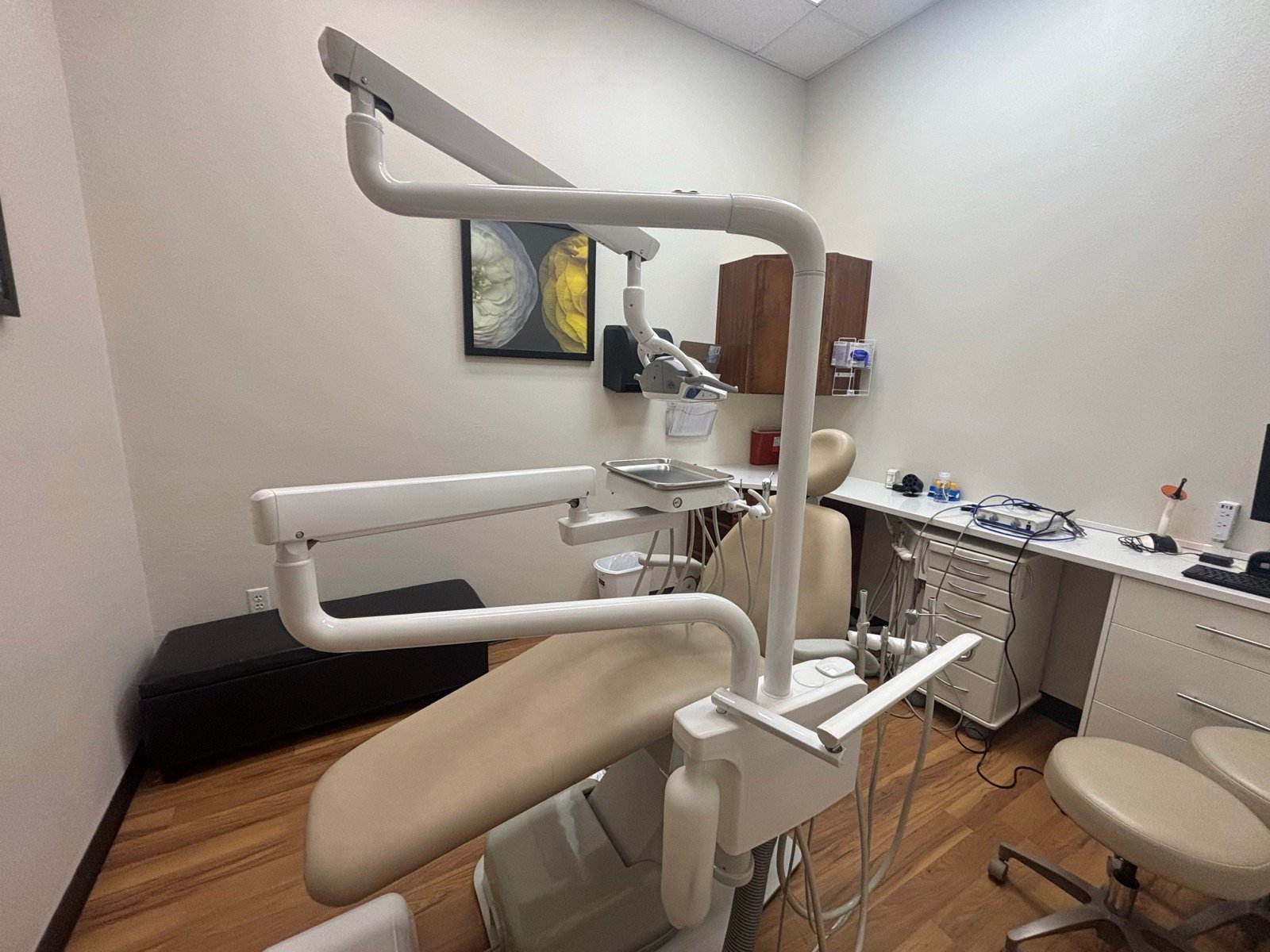
Small cavities may cause no symptoms, which is why examinations and appropriate X-rays matter. As decay progresses, you may notice one or more of the following.
A tooth may react to sweets, cold drinks, hot foods or brushing near the gumline.
Pressure can irritate weakened enamel, exposed dentin or a cavity between teeth.
White, brown or dark areas and small pits may be signs of enamel breakdown or decay.
Food that repeatedly catches between teeth may indicate a cavity, open contact or damaged filling.
Frayed or torn floss can occur around rough decay or a failing restoration.
Early cavities are frequently found before they hurt, allowing more conservative treatment.
The dentist confirms the location and depth of decay, numbs the tooth when needed and removes damaged tissue while preserving healthy structure. The area is cleaned and restored with an appropriate material, often tooth-colored composite. The filling is shaped, polished and adjusted so the bite feels natural. Very deep decay may need a protective liner, crown or other treatment depending on how close it is to the nerve.
Replacing an old filling? See what to expect when a filling falls out and how the dentist checks the tooth before repairing it.
We begin with a diagnosis, explain the options and help you understand the next step. Treatment is based on your examination, health history and individual needs.
An exam and X-rays when appropriate determine the location and depth of decay.
The tooth is numbed as needed and the damaged portion is conservatively removed.
Filling material is placed, shaped and hardened to rebuild the tooth.
The bite is adjusted and we discuss prevention based on your cavity risk.
Lingering temperature pain, spontaneous throbbing, swelling or pain that wakes you can mean decay has reached the nerve. Call promptly so the dentist can determine whether a filling is still appropriate.
Star Dental welcomes new patients, accepts Health First Colorado Medicaid and most PPO plans—including many Delta, Cigna, Aetna, MetLife and Guardian plans—and has Spanish-speaking staff available every day. Benefits and coverage are confirmed for each patient. Same-day appointments may be available; call for availability.
Find us at 1490 S Sheridan Blvd in the King Soopers plaza, with free onsite parking and wheelchair accessibility. New patients should arrive 10–15 minutes early with photo ID and insurance information.
Call for current availability or send an online appointment request. We respond to phone calls and online requests promptly.