
A lost filling or crown leaves a tooth less protected. It may not be a medical emergency, but it should be assessed promptly because exposed tooth structure can be sensitive, weak or affected by new decay. Save the crown if you have it, protect the area and call a dentist.
First steps after a restoration comes out
- Remove loose pieces from your mouth. This reduces the chance of swallowing or biting them.
- Save the crown. Rinse it gently, place it in a clean container and bring it to the appointment. Do not scrape the inside.
- Rinse and keep the area clean. Brush gently around the tooth and use warm salt water if the gum feels irritated.
- Avoid chewing on that side. Choose softer foods and avoid very hot, cold, sticky or hard items.
- Call a dentist. Explain whether there is pain, swelling, a sharp edge or a visible crack.
Temporary dental cement sold for lost crowns may sometimes protect the tooth briefly when used exactly as labeled. Do not use household glue. Do not force a crown onto a tooth if it does not seat easily, if the tooth appears broken, or if swallowing it is a risk.
When a missing filling or crown needs faster attention
Request urgent care for severe or increasing pain, facial or gum swelling, fever, a bad taste or drainage, a cracked tooth, bleeding that will not stop, or pain after an injury. These findings may indicate more than a loose restoration. See our abscess and toothache guide if infection is a concern.
Can the crown simply be put back?
Sometimes an intact crown can be cleaned and recemented. In other cases, the dentist may find decay, a fracture, a worn crown or inadequate tooth structure. Treatment can include a new filling, a new crown, buildup of the tooth, root canal treatment when the pulp is affected, or extraction when the tooth cannot be restored. An examination and X-ray help distinguish these situations.
If it was a filling that came out, our lost-filling replacement guide explains what the dentist checks and why the repair plan can vary.
Why fillings and crowns come loose
- New decay develops around or under a restoration.
- The cement bond weakens over time.
- Hard or sticky foods pull on the crown.
- Grinding or clenching places repeated force on the tooth.
- The tooth or restoration cracks.
- The bite has changed or the restoration no longer fits closely.
Regular checkups can find open margins, wear and decay before the restoration falls out. If you grind your teeth, ask whether a night guard may be appropriate.
Common questions
Can I wait if the tooth does not hurt?
Pain is not a reliable measure of damage. A painless tooth can still be exposed to decay or fracture, so arrange an examination rather than waiting for symptoms.
Can I sleep with a loose crown in place?
A loose crown can dislodge and be swallowed or aspirated. Remove it if it is not secure and store it safely; call a dentist for instructions.
Will I need a completely new crown?
Not always. The dentist will evaluate the crown, the tooth beneath it and the bite before recommending recementation or replacement.
Find more practical help in our dental emergency resource center.
Need a dentist today?
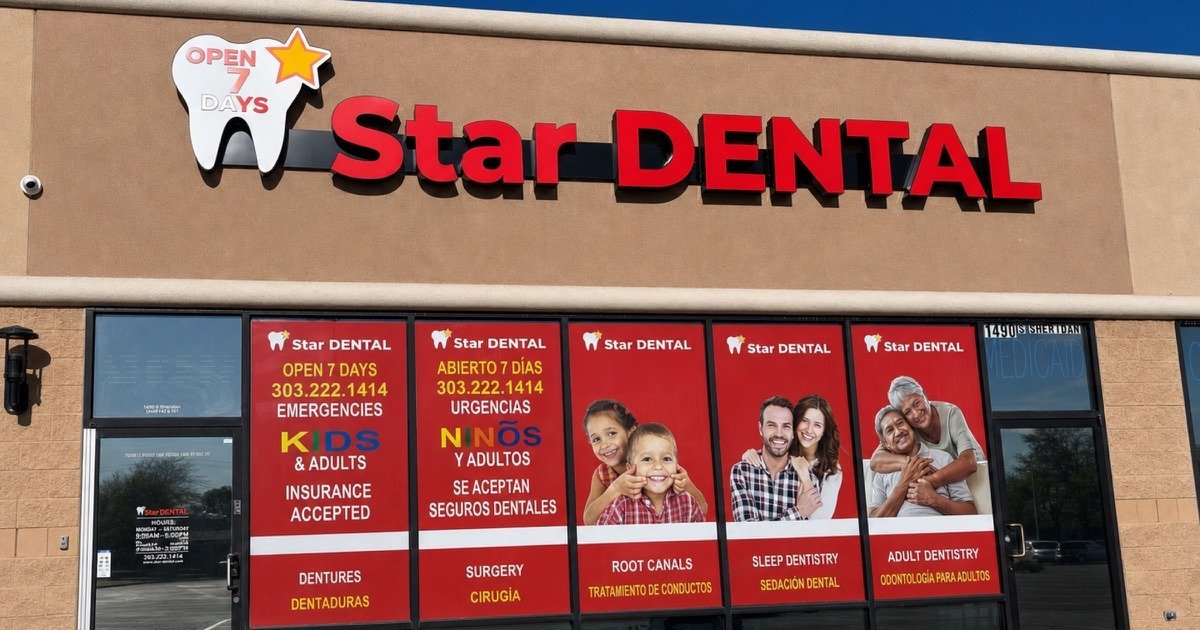
Star Dental is open seven days a week and reserves time for urgent dental problems. Same-day appointments may be available. Call 303-222-1414 so our team can understand what happened and help plan the right visit.