
Health First Colorado provides dental benefits to eligible adults age 21 and older. Effective July 1, 2026, adults have a $3,000 dental benefit limit for each benefit year, which runs from July 1 through June 30. Qualifying emergency treatment and covered complete or partial removable dentures are not subject to that annual limit. Coverage still depends on active eligibility, provider enrollment, the covered service, clinical criteria, frequency rules and any required prior authorization.
At a glance
- The adult dental benefit limit is $3,000 per July 1–June 30 benefit year, effective July 1, 2026.
- Qualifying emergency treatment and covered complete or partial removable dentures are not subject to that annual limit.
- The current adult dental benefit summary states that the benefit has no copays, deductible or out-of-pocket maximum.
- A service still must be covered and meet eligibility, provider, clinical, frequency, documentation and authorization rules.
What adult dental services may be covered?
Health First Colorado adult dental benefits include multiple categories of care. The examples below provide an overview of common benefit categories. The office and DentaQuest must confirm the patient’s active eligibility, the specific benefit, clinical criteria, frequency rules, documentation, prior authorization when required and the remaining annual benefit amount when the service is subject to the limit.
| Category | Examples | What to confirm |
|---|---|---|
| Preventive | Exams and cleanings | Eligibility, frequency rules and remaining annual benefit amount |
| Diagnostic | X-rays and evaluation of pain or disease | Clinical need, provider enrollment and remaining annual benefit amount; qualifying emergency treatment is exempt from the annual limit |
| Restorative | Fillings and treatment of damaged teeth | The recommended covered procedure, frequency rules and remaining annual benefit amount |
| Urgent and surgical | Emergency evaluation and extractions | Diagnosis, emergency status, treatment plan and whether the service is subject to or exempt from the annual limit |
| Major treatment | Root canals, crowns, periodontal scaling, partial and complete removable dentures | Prior authorization when required; covered complete or partial removable dentures are not subject to the annual limit, while the other listed services generally are |
Use the dental treatment frequency and timing guide to prepare questions about past treatment dates before scheduling care.
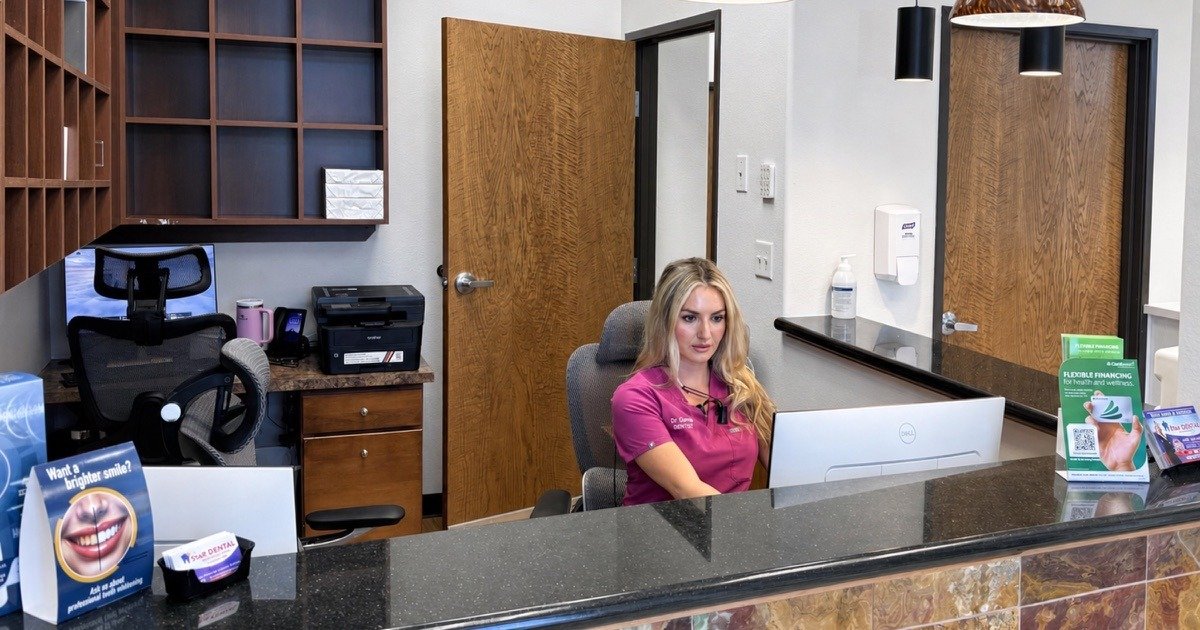
For help understanding the program and arranging care with an adult Medicaid dentist in Denver, contact Star Dental. The office can verify current eligibility, available benefit information and authorization requirements before treatment. You can also explore the Colorado Medicaid dental resource center.
What is the 2026 adult dental benefit limit?
Effective July 1, 2026, Health First Colorado adults age 21 and older have a $3,000 dental benefit limit for each benefit year. The benefit year runs from July 1 through June 30. Diagnostic care, preventive care, fillings, periodontal treatment, non-emergency extractions, root canal treatment and other services that are subject to the limit count toward the $3,000 when covered and paid.
Qualifying emergency treatment and covered complete or partial removable dentures are not subject to the $3,000 annual limit. Once an adult member reaches the annual limit, other services that are subject to the limit generally are not covered until the new benefit year begins on July 1. Covered-service definitions, clinical criteria and frequency limits still apply, and some procedures require prior authorization.
The adult dental benefit planner can help you organize treatment questions and an estimated remaining benefit to confirm with the office or DentaQuest.
What “no copay” means: The current adult dental benefit summary states that the dental benefit has no copays, deductible or out-of-pocket maximum. That does not mean every proposed dental service is automatically covered. The office must still confirm eligibility, provider enrollment, benefit status, clinical and documentation requirements, frequency limits, prior authorization and the member’s remaining annual benefit amount when the service is subject to the limit.
A participating provider cannot simply convert a covered Medicaid service into a self-pay charge for the member. If a requested service is not covered, Health First Colorado requires the applicable non-covered-service disclosure and a written agreement before the service is provided and the member is charged. Ask the office to explain whether the planned service is covered, subject to the annual limit, exempt from the limit or non-covered.
Benefit information can change. For the official current status, members may call DentaQuest at 1-855-225-1729 or review the Health First Colorado Adult Dental Benefit Summary.
How are dentures handled under the adult benefit?
The July 2026 adult benefit summary lists covered complete and partial removable dentures as adult dental benefits. Covered complete or partial removable dentures are not subject to the $3,000 annual limit and are listed at 100% of the covered service. The summary generally applies a once-every-seven-years frequency limit for adults.
Denture benefits are reviewed for each member and requested service. Active eligibility, provider enrollment, clinical criteria, documentation, frequency rules and prior authorization may apply, along with specific rules for repairs, relines, rebases and replacement. Read Star Dental’s Colorado Medicaid denture guide for more detail.
How is emergency dental treatment handled?
Qualifying emergency treatment is not subject to the annual dental benefit limit. That exception does not mean that every service performed during a painful or urgent visit is automatically classified as emergency treatment. The treating provider and current program rules determine how the service is documented and billed.
If swelling makes it difficult to breathe or swallow, involves the eye or neck, or appears life-threatening, call 911 or go to the nearest emergency department. A website cannot determine whether a particular service will qualify for the Medicaid emergency-treatment exception.
What does prior authorization mean?
Prior authorization is a benefit review completed before certain non-emergency treatment. The dental office submits required clinical information to DentaQuest for review under Health First Colorado rules. Some crowns, root canals, periodontal services and dentures require prior authorization. Approval confirms that the request met the reviewed criteria at that time, but it is not a guarantee of payment if eligibility, benefit status or other claim conditions change.
Do not begin a non-emergency service that requires prior authorization until the dental office confirms the decision and explains the approved treatment dates and any remaining requirements.
How can an adult verify eligibility and benefits?
Coverage should be checked for the patient and date of service. Bring a photo ID and any Health First Colorado or DentaQuest information available. If you do not have your Medicaid card, contact Star Dental before the visit so the team can explain what identifying information may be needed to attempt an eligibility check. Additional information may be required if the record cannot be matched.
Star Dental can check current eligibility and available benefit information for the specific service and explain what is available before treatment. Star Dental’s eligibility-verification guide explains what to prepare. For broader payment terminology, read the Dental Insurance & Payment Guide.
Common questions
What is the Colorado Medicaid adult dental limit for 2026?
Effective July 1, 2026, Health First Colorado adults age 21 and older have a $3,000 dental benefit limit for each benefit year. The benefit year runs from July 1 through June 30. Qualifying emergency treatment and covered complete or partial removable dentures are not subject to that annual limit.
Do dentures count toward the $3,000 annual dental limit?
No. The July 2026 Health First Colorado Adult Dental Benefit Summary states that covered complete or partial removable dentures are not subject to the annual limit. Coverage, prior authorization, clinical criteria and frequency limits still must be satisfied for the specific denture.
Does emergency dental treatment count toward the annual limit?
Qualifying emergency treatment is not subject to the annual dental benefit limit. The treating provider and program rules determine how a service is documented and billed; an online symptom description cannot confirm that a particular procedure will be classified as emergency treatment.
What happens after an adult reaches the $3,000 limit?
Other dental services that are subject to the limit generally are not covered until the benefit year resets on July 1. Qualifying emergency treatment and covered complete or partial removable dentures remain outside the annual limit, but their other coverage requirements still apply. Ask the office or DentaQuest to verify the current remaining benefit amount before planned treatment.
Does “no copay or deductible” mean every dental service is free?
No. The adult dental benefit has no copays, deductible or out-of-pocket maximum, but a service still must be covered and meet eligibility, provider, clinical, frequency, documentation and authorization rules. Non-covered services are handled under separate member-disclosure and written-agreement requirements.
Can Star Dental check my coverage without my Medicaid card?
Contact Star Dental before your visit. The team can explain what identifying information may be needed to attempt an eligibility check. Bring a photo ID and any Health First Colorado or DentaQuest information available. Additional information may be required if the record cannot be matched, and an eligibility response does not guarantee coverage or payment for a particular service.
Benefit information reviewed August 6, 2026. Primary sources: DentaQuest’s Health First Colorado Adult Dental Benefit Summary revised July 2026 and Change to Adult Benefit Limit notice effective July 1, 2026. Program rules can change; verify current benefits before treatment.
Get help understanding your dental benefits
Call Star Dental at 303-222-1414 or request an appointment. The office can explain available eligibility and benefit information, but Health First Colorado and DentaQuest make coverage and payment determinations under current program rules.
This article is general benefit information, not a coverage determination or treatment recommendation. Individual eligibility, benefits and clinical needs must be verified.