
Denver wisdom teeth cost guide
The short answer
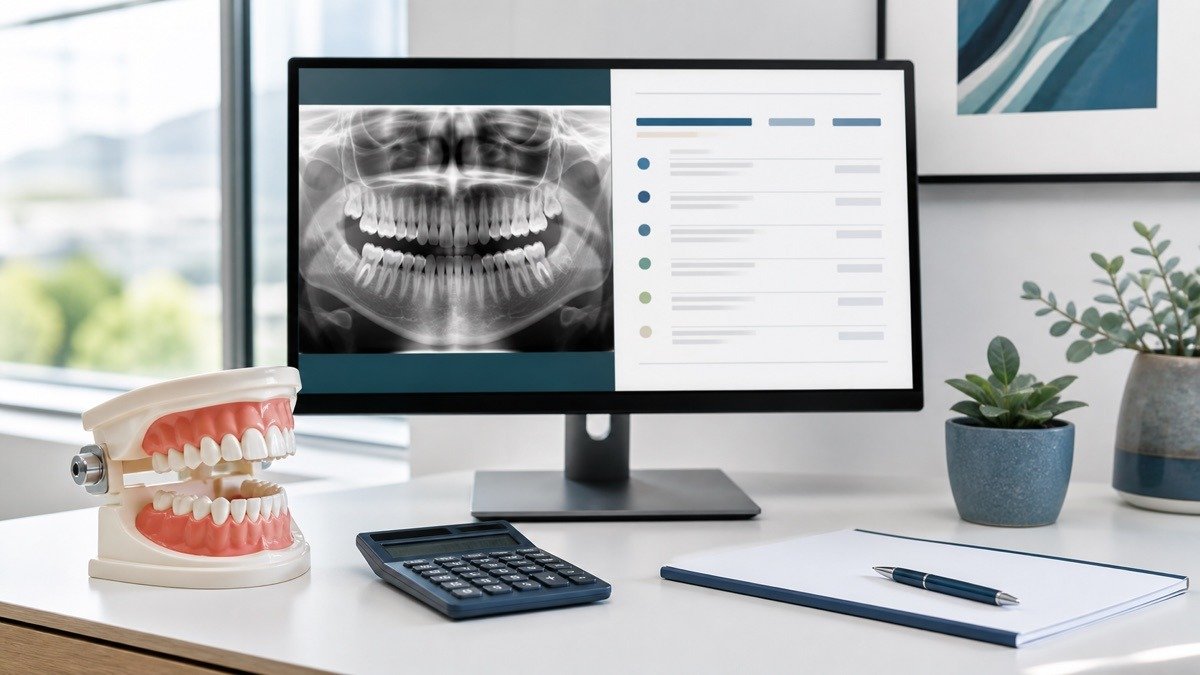
Wisdom teeth removal cost in Denver at Star Dental is estimated at about $225–$525 per wisdom tooth for self-pay patients. Removing all four is about $900–$2,100 for the extraction fees alone.
The initial consultation and necessary X-rays are separate from the extraction fee and together are generally estimated at $150–$200. Optional IV sedation is generally estimated at $500–$1,000, depending on the time required. A case involving all four teeth, the initial consultation and X-rays, and IV sedation may therefore total about $1,550–$3,300 before insurance.
These are general planning estimates, not a diagnosis, guaranteed quote or formal Good Faith Estimate. Your actual fee depends on what each tooth needs and any sedation you choose.
Estimated self-pay fees
Wisdom tooth removal cost by type
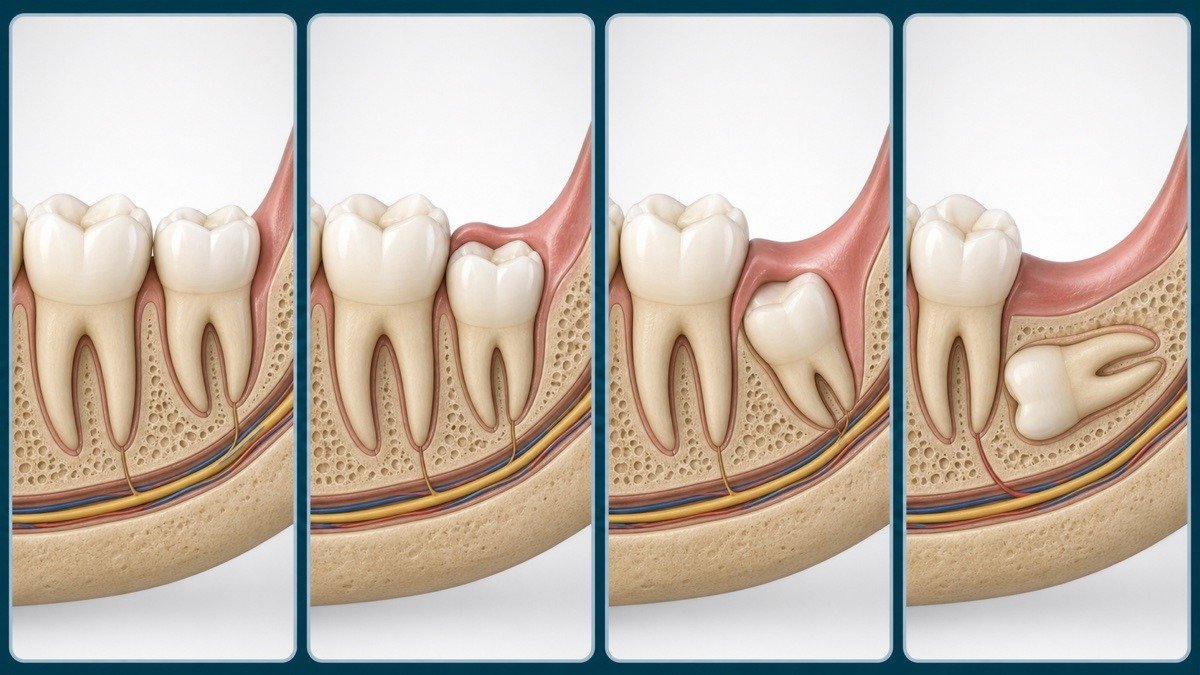
Each tooth is priced according to what is needed to remove it. One patient can have four wisdom teeth in four different positions.
About $225
The tooth is above the gum and can be removed without opening gum or bone.
About $340–$375
The dentist may need to open the gum or divide the tooth into sections.
About $450–$525
The tooth is partly or completely trapped in the jawbone and needs a more involved approach.
About $225–$525
Your examination and imaging show which category applies to your tooth.
How you get your actual price
Examination → imaging → itemized estimate
-
Meet with the dentist
We ask about symptoms, health history and what you want from the visit, then examine your mouth.
-
Review the right images
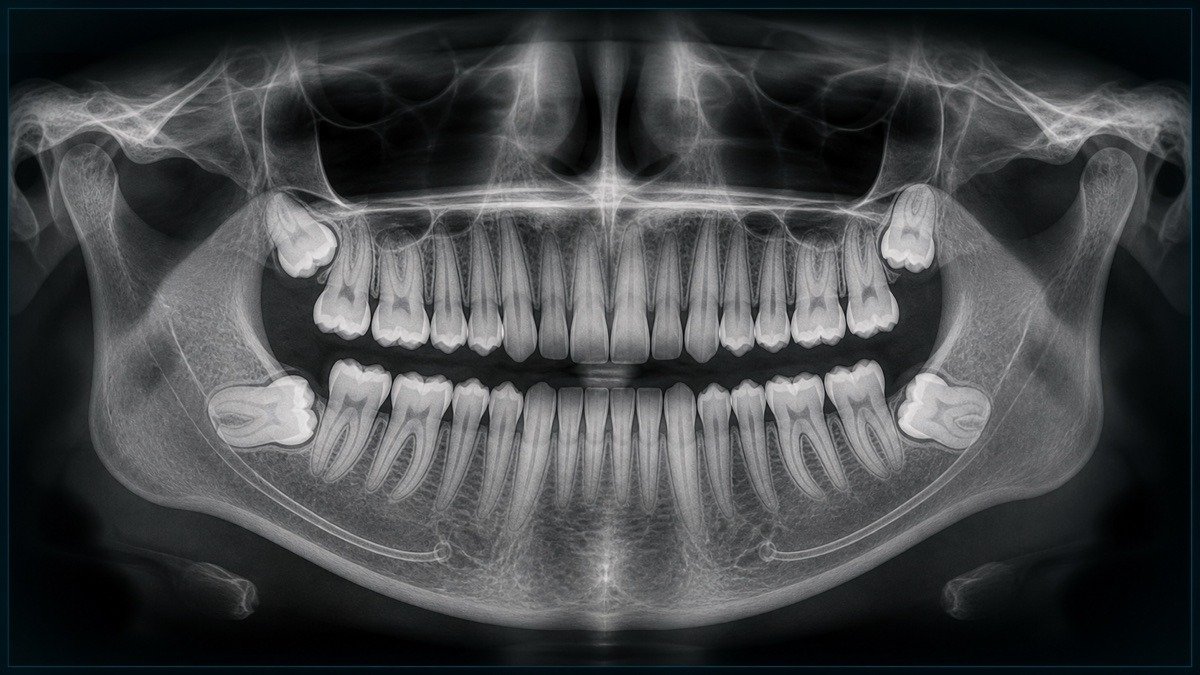
A panoramic X-ray is often used to see the number, angle, roots and position of all four wisdom teeth. Suitable recent images may sometimes be used.
-
Receive a tooth-by-tooth plan
Your estimate lists the recommended removal for each tooth, imaging, optional sedation and the estimated insurance portion when available.
About $150–$200 combined
They determine the treatment plan
Images may support preauthorization
The dentist uses the examination and clinically appropriate X-rays to identify which teeth need removal and how complex each extraction may be. When required by an insurance plan, the treatment plan and X-rays also provide the information needed for a preauthorization request.
A common question
How much is wisdom teeth removal for all four?
Four removal fees are estimated at about $900–$2,100. The lower end assumes four fully visible teeth; the upper end assumes four teeth fully within bone. A mixed case usually falls between those endpoints.
| Planning scenario | Estimated range | What it includes |
|---|---|---|
| Removal fees only | $900–$2,100 | Four teeth; no diagnostic visit, imaging or optional IV sedation |
| With consultation and necessary X-rays | About $1,050–$2,300 | Four removal fees plus the estimated $150–$200 initial assessment |
| With IV moderate sedation | About $1,550–$3,300 | Four removal fees, consultation, necessary X-rays and the estimated $500–$1,000 sedation range |
These examples do not include services that are not routinely needed, such as advanced 3-D imaging, pathology, medication or another separately recommended procedure. Local anesthetic and necessary follow-up are included in the extraction fees shown above.
Comfort options
How much does IV sedation add?
Local anesthetic is included in the extraction fee and is used for pain control. Some patients may also choose IV moderate sedation when it is appropriate for the procedure and their health history.
IV moderate sedation is generally estimated at about $500–$1,000. The actual amount depends mainly on how much time is required. Wisdom tooth removal and available IV sedation are provided onsite at Star Dental.
IV moderate sedation is not the same as general anesthesia. The dentist will review the safe and appropriate options for you.
Dental benefits
Wisdom tooth removal cost with insurance
Dental insurance may reduce your cost, but there is no responsible one-size-fits-all “insured price.” Contact Star Dental with your plan information so we can help confirm whether your insurance is accepted. Your estimated portion can depend on the plan’s allowed fee, deductible, coinsurance, annual maximum, remaining benefits, the procedure used for each tooth and whether sedation is covered.
Insurance plans often require a preauthorization request before treatment. The consultation and necessary X-rays allow us to determine which teeth need removal, build the treatment plan and submit the clinical information and images the insurer may require. A preauthorization or pre-treatment estimate is helpful, but it is not a guarantee of payment.
Why can insurance take extra time?
We may need to send the insurer your tooth-by-tooth treatment plan and X-rays, then wait for its response. Scheduling the consultation early gives the office time to request benefit information and preauthorization when needed.
What about Health First Colorado?
Health First Colorado may cover medically necessary wisdom tooth extraction for eligible members when current benefit requirements are met. Coverage and authorization depend on the individual plan and treatment.
Self-pay planning
Wisdom tooth removal cost without insurance
For self-pay patients, the same estimated fees shown above provide the clearest starting point: about $225–$525 per tooth and about $900–$2,100 for all four removal fees.
Ask for an itemized estimate showing the consultation and X-rays, each tooth, optional sedation and anything else recommended. Local anesthetic and necessary follow-up are included in the extraction fees shown on this page.
CareCredit is available for eligible patients, subject to approval and the financing provider’s terms. Contact Star Dental if you would like help reviewing payment options.
Is a dental school less expensive?
Dental-school clinics can be a lower-cost option for some patients, but fees, eligibility, assignment to a provider and appointment length vary. The University of Colorado School of Dental Medicine says its fees are generally lower than private-practice fees, but it does not publish one universal wisdom-tooth price. Ask whether the clinic can treat your case and compare the same services.
Get a personal estimate
Start with a wisdom tooth evaluation
Star Dental is at 1490 S Sheridan Blvd, Unit 102, Denver, CO 80232, near Lakewood. We are open seven days and welcome new patients.
Straight answers
Wisdom teeth removal cost FAQs
How much is one wisdom tooth extraction in Denver?
Star Dental’s estimated self-pay range is about $225–$525 per tooth. A fully visible tooth is at the lower end; a tooth partly or fully within bone is at the higher end. The consultation, necessary X-rays and optional IV sedation are separate.
How much does it cost to remove all four wisdom teeth?
The estimated extraction-fee range for all four is about $900–$2,100. With the initial consultation, necessary X-rays and IV moderate sedation, the general planning range is about $1,550–$3,300 before insurance.
Are the wisdom tooth examination and panoramic X-ray included?
The initial consultation and necessary X-rays are separate from the extraction fee and together are generally estimated at $150–$200. A panoramic X-ray is often useful for wisdom-tooth planning, but the dentist decides what imaging is appropriate and whether suitable recent images can be used.
How much does IV sedation add?
IV moderate sedation is generally estimated at $500–$1,000. The actual amount depends mainly on the time required and whether IV moderate sedation is appropriate for you. It is available onsite at Star Dental.
Is local anesthesia included?
Yes. Local anesthetic and necessary follow-up are included in the extraction fees shown on this page. Optional IV moderate sedation is a separate service and will be identified separately on your written estimate.
Does dental insurance cover wisdom teeth removal?
Many dental plans provide a benefit when wisdom tooth removal is covered, but your share depends on the plan. Contact Star Dental to confirm whether your insurance is accepted. We often need the consultation, treatment plan and X-rays to submit a preauthorization request. An insurer’s response is helpful, but it is not a guarantee of payment.
How much is wisdom teeth removal without insurance?
The estimated self-pay ranges are about $225–$525 per tooth and about $900–$2,100 for all four extraction fees. The consultation and necessary X-rays, optional IV sedation and any separately recommended services will be shown on your itemized estimate.
Can Star Dental give me an exact price over the phone?
Not responsibly. The dentist must examine your mouth and review clinically appropriate X-rays to determine how many teeth need removal, the type of procedure for each tooth and whether IV sedation is appropriate. The consultation and images also provide information that an insurance plan may require for preauthorization.
Can I use CareCredit for wisdom teeth removal?
CareCredit is available for eligible patients, subject to approval and the financing provider’s terms. Contact Star Dental if you would like help reviewing payment options for your treatment estimate.
Is a dental school always the cheapest option?
Not always. Dental-school clinics may charge less for some services, but eligibility, case acceptance, appointment length and availability vary. Compare an itemized plan that includes the same imaging, extraction types and anesthesia.
Sources and review
- American Dental Association: Guide to Extractions—Tooth and Remnants
- American Dental Association: X-Rays/Radiographs
- American Association of Oral and Maxillofacial Surgeons: Advanced Imaging
- American Dental Association: Pre-authorizations
- CareCredit: Wisdom Teeth Removal Cost and Financing Overview
- University of Colorado School of Dental Medicine: Dental Fees