
STAR DENTAL · DENVER
Wisdom Teeth Removal After 30 or 40
Wisdom teeth can need assessment in your 30s, 40s or later, even if they caused no earlier trouble. Star Dental can review symptoms, tooth position, oral health and treatment options in Denver. Age alone does not establish that wisdom teeth should be removed; ask what the examination shows and why treatment or monitoring is recommended.
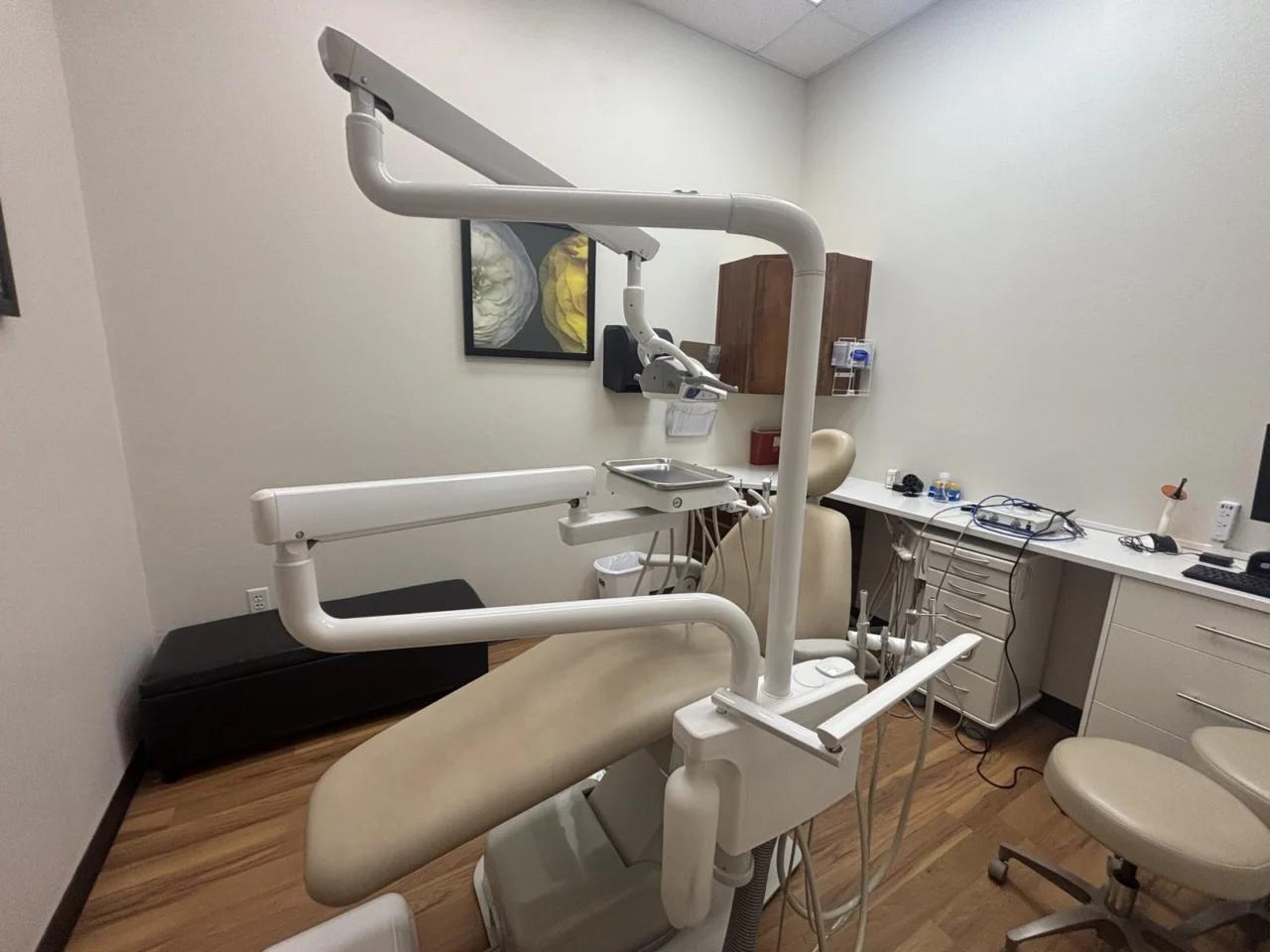
Why a previously quiet tooth may need another look
Changes such as pain, swelling, decay, gum problems or difficulty cleaning can prompt reassessment. A tooth that has been present for years should still be considered in the context of the surrounding teeth and tissues. Tell the dentist when symptoms began and whether they have happened before.
The ADA’s wisdom-tooth guidance describes clinical reasons for removal and continued monitoring of teeth that remain. It does not turn a birthday into an automatic reason for surgery.
Ask what the images add
The dentist may use imaging to evaluate position and features relevant to treatment planning. Ask to see the tooth and have the important findings explained. At Star, visual explanations are part of helping patients understand the recommendation.
Bring previous images if available, or tell the team where they were taken. Current images may still be needed if the earlier records are unavailable or do not answer the question. If complexity warrants a specialist opinion, ask what the referral is intended to clarify.
A decision checklist for adult wisdom-tooth care
| Question | What it helps you understand |
|---|---|
| What problem is present now? | The reason for considering treatment |
| Is the neighboring tooth affected? | The wider impact of the finding |
| What happens if the tooth is monitored? | The follow-up and changes to watch for |
| What makes removal simple or more involved? | The procedure and treating clinician needed |
| Is every wisdom tooth involved? | Whether one or several teeth need care |
| What does my health history change? | Individual preparation and planning |
Ask the dentist to connect the recommendation to your findings, not just describe what happened for someone of a similar age.
Health, medicines and comfort planning
Share your medical history, medicines, supplements, allergies and previous anesthesia experiences. Some patients need coordination with another clinician before treatment. Do not stop prescribed medicines or assume the preparation is identical to a procedure you had years ago.
Discuss local anesthesia and whether sedation is appropriate. At Star, IV sedation is an option for suitable planned care, with assessment, separate scheduling and approval where applicable. It is not a same-day emergency add-on. See wisdom teeth and IV sedation for the appointment-planning questions.
Plan recovery around your actual procedure
Ask about work, caregiving, driving, exercise, eating and follow-up. The number of teeth, complexity, health and anesthesia approach affect advice. A friend’s quick recovery or an online age-based timetable does not establish what you should expect.
The NHS wisdom-tooth removal overview describes the need for procedure-specific care and symptoms that merit attention. Get your own written instructions and contact details before leaving the treating office.
Costs and the complete sequence
Star’s published wisdom-tooth removal range is $225–$525 per tooth, with diagnosis, complexity and the plan determining the estimate. Sedation and diagnostic services may be separate. Ask which teeth are included and whether a specialist has a separate fee.
If you have insurance or Medicaid, the team needs to check the relevant benefits. If a staged plan is recommended, ask why and what should happen between appointments. Our estimate worksheet helps compare the complete scope.
Frequently asked questions
Is 30 or 40 too old to remove wisdom teeth?
Age alone does not decide suitability. The dentist assesses the tooth, surrounding structures, health and treatment needs and explains the individual plan.
Should healthy wisdom teeth be removed just because I am older?
Ask what clinical findings support removal or monitoring. A recommendation should be based on your situation rather than age alone.
Will recovery definitely take longer than it would for a teenager?
No individual recovery can be predicted from age alone. Ask about your procedure, health, complexity and support needs.
Can I have only the painful wisdom tooth assessed?
Yes. Explain the concern when booking. The dentist may also consider the other wisdom teeth and surrounding mouth to make a coherent plan, without automatically recommending all four be removed.
Sources & further information
Patient information from Star Dental · How we prepare these guides · Sources
Your next step
Tell us what you need.
Call to discuss your visit. Online appointment requests need confirmation from the office.