01
Persistent Tooth Pain
Deep, lingering or spontaneous pain—especially pain that interrupts sleep—can signal inflammation inside the tooth.

A root canal treats infection or inflammation inside a tooth. By removing the damaged tissue, cleaning the canals and sealing the tooth, treatment can often relieve pain and preserve a natural tooth that might otherwise need extraction.
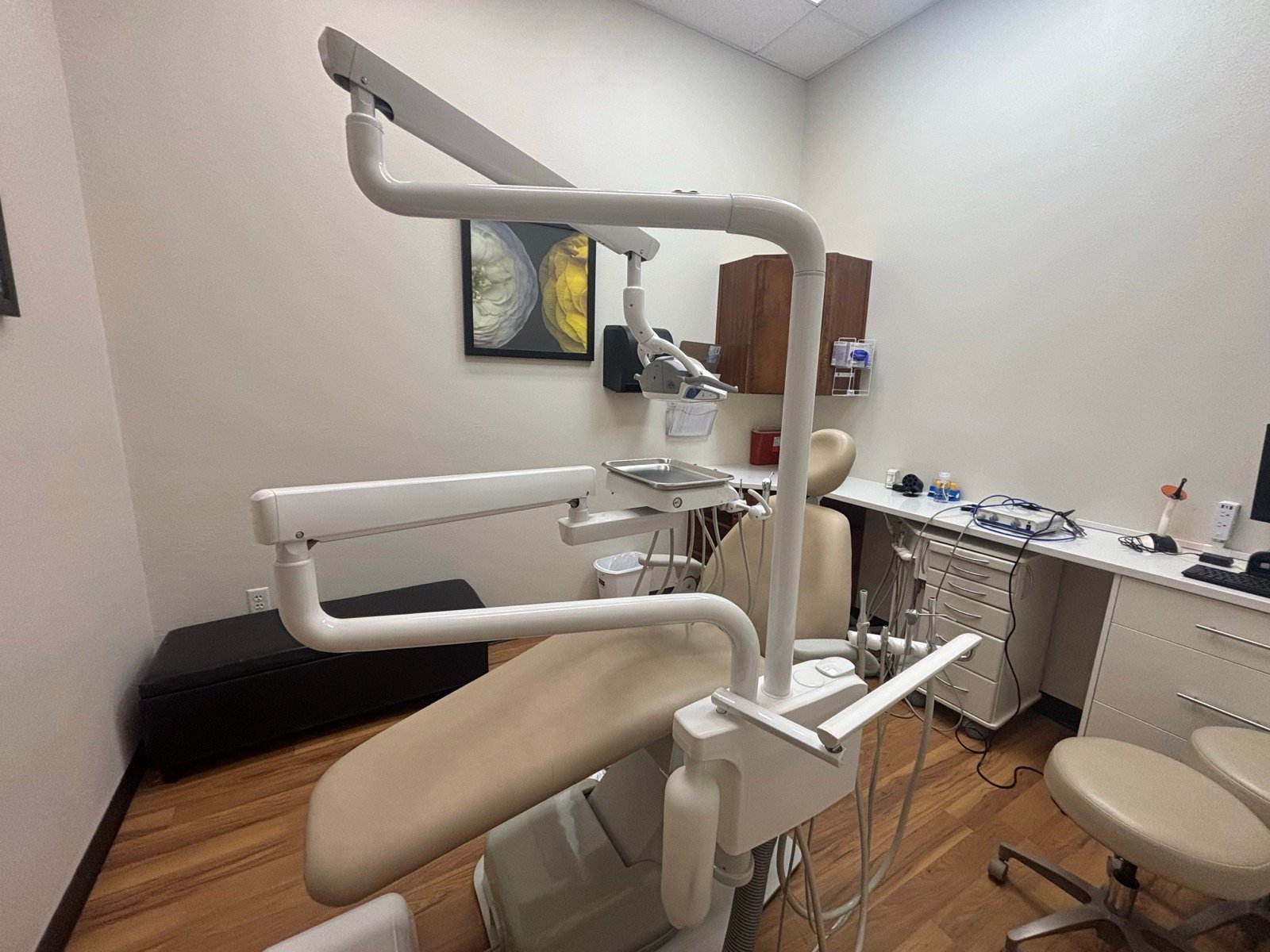
Symptoms do not always reveal the full condition of a tooth. An examination and dental X-rays help determine whether the pulp is inflamed or infected and whether the tooth can be restored.
Deep, lingering or spontaneous pain—especially pain that interrupts sleep—can signal inflammation inside the tooth.
Sensitivity that continues after the temperature is gone may mean the tooth nerve is irritated or damaged.
Swelling, tenderness or a pimple-like bump near a tooth can be a sign that infection is draining through the gum.
A tooth that hurts with chewing or pressure may have inflammation around its root, a crack or another problem that needs evaluation.
A tooth that changes color after an injury may have lost blood supply even when it is not currently painful.
Decay, repeated dental work or a fracture can allow bacteria to reach the pulp at the center of the tooth.
The tooth is numbed with local anesthetic. The dentist makes a small opening, removes inflamed or infected pulp, cleans and shapes the canals, then fills and seals the space. A temporary or permanent filling closes the tooth. Many back teeth need a crown afterward because they have lost substantial structure and face heavy chewing forces. The exact restoration depends on how much healthy tooth remains.
We begin with a diagnosis, explain the options and help you understand the next step. Treatment is based on your examination, health history and individual needs.
We review symptoms, test the tooth and take X-rays when needed.
The dentist explains whether root canal treatment, another restoration or extraction is appropriate.
The infected or inflamed tissue is removed and the canals are disinfected and sealed.
The tooth receives a filling or crown based on its condition, followed by routine monitoring.
Call promptly for increasing swelling, fever, a bad taste or difficulty opening your mouth. If swelling affects breathing, swallowing, the eye or the airway, seek emergency medical care immediately.
Star Dental welcomes new patients, accepts Health First Colorado Medicaid and most PPO plans—including many Delta, Cigna, Aetna, MetLife and Guardian plans—and has Spanish-speaking staff available every day. Benefits and coverage are confirmed for each patient. Same-day appointments may be available; call for availability.
Find us at 1490 S Sheridan Blvd in the King Soopers plaza, with free onsite parking and wheelchair accessibility. New patients should arrive 10–15 minutes early with photo ID and insurance information.
Call for current availability or send an online appointment request. We respond to phone calls and online requests promptly.
PATIENT GUIDES