01
Bleeding Gums
Bleeding with brushing or flossing is a common sign of inflammation, even when there is no pain.

Bleeding, swollen or receding gums are not something to ignore. Gum disease begins with inflammation and can progress to loss of the bone that supports teeth. Early evaluation helps determine whether routine preventive care or periodontal treatment is needed.
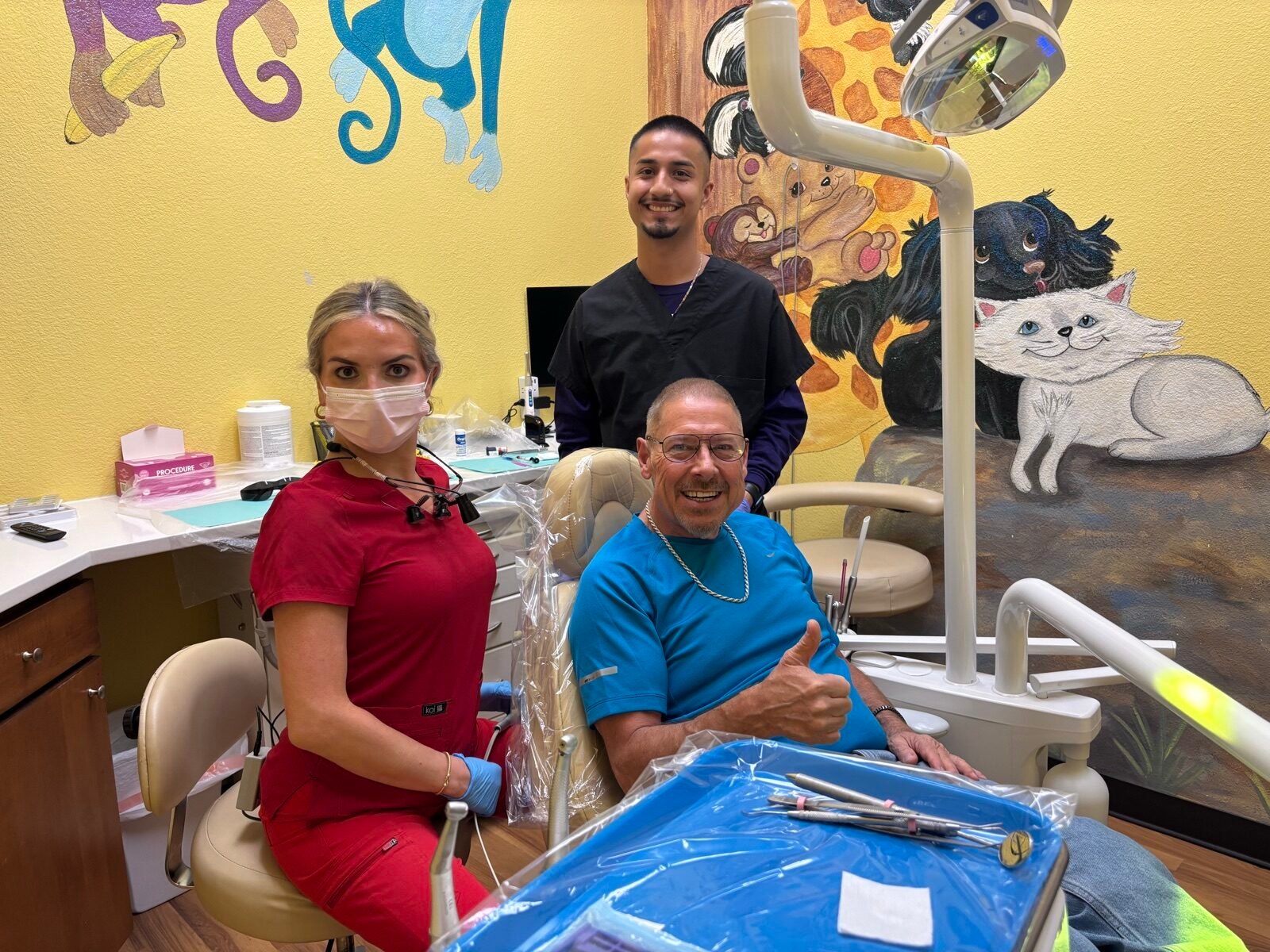
Gum disease may be painless, especially early on. A periodontal evaluation measures the gums and reviews X-rays to understand bone support.
Bleeding with brushing or flossing is a common sign of inflammation, even when there is no pain.
Puffy, tender or shiny gums can indicate plaque-related gingivitis or another source of irritation.
Gum recession can expose sensitive roots and make teeth look longer. Its cause should be evaluated.
Odor or a bad taste that does not improve may be associated with plaque, tartar or infection.
Advanced periodontal disease can reduce bone support and change how teeth fit together.
Periodontal measurements and X-rays reveal changes that may not be visible in the mirror.
Gingivitis is inflammation limited to the gums and can often improve with professional cleaning and consistent home care. Periodontitis affects the deeper tissues and bone supporting teeth. Treatment may include scaling and root planing to remove deposits below the gumline, followed by focused home care and periodontal maintenance. More advanced cases may require referral or additional procedures. Smoking, diabetes, dry mouth, medications and genetics can influence risk and healing.
We begin with a diagnosis, explain the options and help you understand the next step. Treatment is based on your examination, health history and individual needs.
We measure gum pockets, bleeding, recession, mobility and plaque and review bone levels.
The dentist explains whether findings fit gingivitis, periodontitis or another gum condition.
Recommended care may include routine cleaning, scaling and root planing or referral.
Regular periodontal visits and daily home care help control inflammation and monitor stability.
Occasional trauma can cause bleeding, but repeated bleeding deserves attention. Do not stop cleaning the area because it bleeds; use gentle technique and schedule an evaluation.
Star Dental welcomes new patients, accepts Health First Colorado Medicaid and most PPO plans—including many Delta, Cigna, Aetna, MetLife and Guardian plans—and has Spanish-speaking staff available every day. Benefits and coverage are confirmed for each patient. Same-day appointments may be available; call for availability.
Using Health First Colorado? Our Colorado Medicaid deep-cleaning coverage guide explains the differences between regular cleaning, deep cleaning and follow-up gum care, plus what to ask about coverage before treatment.
Find us at 1490 S Sheridan Blvd in the King Soopers plaza, with free onsite parking and wheelchair accessibility. New patients should arrive 10–15 minutes early with photo ID and insurance information.
Call for current availability or send an online appointment request. We respond to phone calls and online requests promptly.