
Full dentures replace every tooth in an upper or lower arch; partial dentures replace one or more teeth while useful natural teeth remain. Both are removable appliances, but they differ in support, design and the treatment needed before impressions.
Full and partial dentures compared
| Feature | Complete denture | Partial denture |
|---|---|---|
| Teeth replaced | All teeth in one arch | One tooth to several teeth |
| Support | Gums, underlying bone and saliva seal; sometimes implants | Gums plus remaining teeth, clasps or precision attachments |
| Natural teeth remaining in that arch | None after treatment | Yes; they must be healthy enough to support the plan |
| Common goal | Restore an entire arch | Fill spaces and preserve useful natural teeth |
| Maintenance | Daily denture and mouth cleaning, regular fit checks | Daily appliance cleaning plus careful brushing/flossing of natural teeth |
How the dentist recommends a design
The choice is not based only on the number of missing teeth. The dentist evaluates decay, gum health, bone support, bite, tooth position, previous dentures, medical history and the patient’s priorities. Saving a natural tooth can be valuable, but a badly damaged tooth may not provide reliable long-term support for a partial denture.
A partial can replace one tooth, several teeth or nearly an entire arch. A complete denture may be made after healing or as an immediate denture placed around the time teeth are removed. Immediate dentures usually need follow-up adjustments as tissues heal.
The denture process at Star Dental
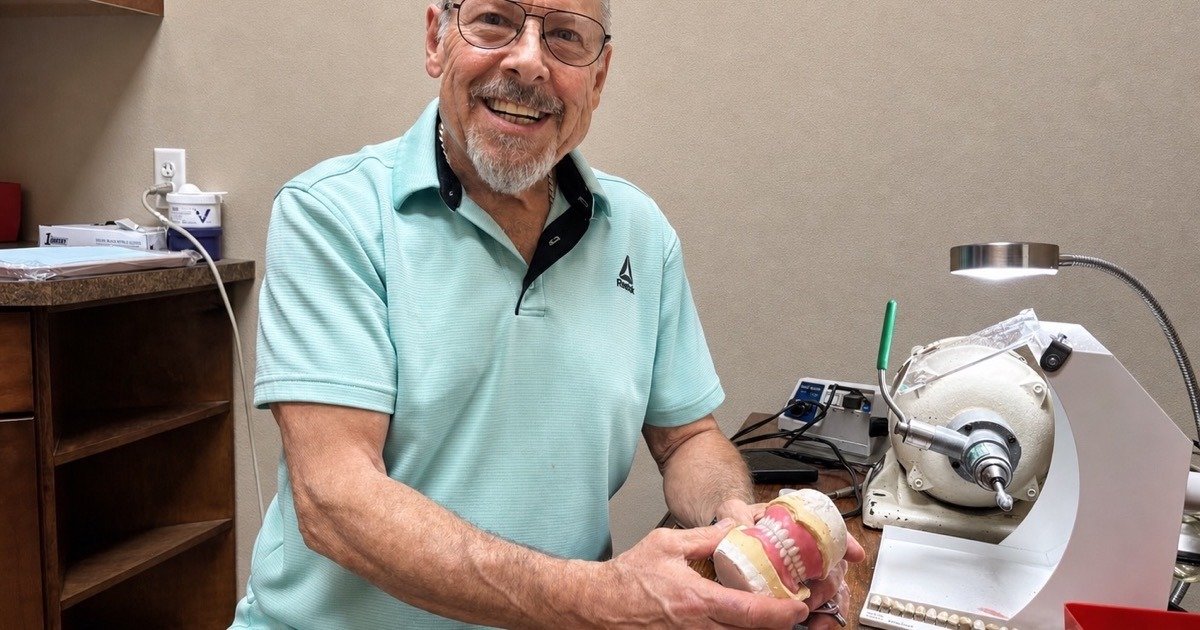
- Evaluation and impressions: the dentist and on-site denture technician assess the mouth and record the supporting tissues.
- Bite and try-in: measurements help establish how the jaws meet. A try-in can be used to review tooth position, shade, smile and speech before final processing.
- Insertion and follow-up: the appliance is placed, pressure areas and bite are checked, and cleaning and adaptation instructions are reviewed.
Some cases require extractions, fillings, gum treatment or healing before the final denture. The timeline therefore varies. In selected cases, the process may be completed in as little as about one week, but no single schedule fits every patient.
Are there alternatives to removable dentures?
Depending on anatomy, health and goals, missing teeth may also be restored with a bridge or dental implants. Implants can support a single tooth, bridge or denture, but require separate evaluation and are not the right choice for every patient. Star Dental can explain which options apply to the specific mouth.
Questions to ask at a consultation
- Which teeth can be predictably saved?
- Will treatment be needed before impressions?
- How many appointments and try-ins are expected?
- How will the denture be retained and stabilized?
- What adjustments are included after insertion?
- What does insurance require before treatment begins?
Missing molars but still have useful front teeth? Read partial dentures for missing back teeth to understand support, fit and the questions to bring to an evaluation.
Common questions
Can a partial denture replace only one tooth?
Yes. A removable partial can replace one tooth, though other options may also be considered. Design depends on the surrounding teeth and bite.
Do dentures look natural?
Tooth shape, size, shade and position can be selected to complement the face and smile. Try-ins help review appearance before final processing when the treatment sequence allows.
Does Medicaid cover full and partial dentures?
Health First Colorado lists both as adult benefits, usually with prior authorization. Eligibility and the specific treatment plan must be verified. Read our Medicaid denture coverage guide.
Learn about adjusting to new dentures or explore all denture guides.
Get a personalized denture evaluation
Star Dental offers full, partial and replacement dentures plus denture repairs. Our on-site denture technician helps coordinate impressions, try-ins, fit and appearance. Call 303-222-1414 to describe what you need and schedule an evaluation.